
The allure of risk-taking
The excitement of gambling often stems from the inherent thrill of risk-taking. Players are drawn to the unpredictable nature of games, where the possibility of winning or losing can create a rush of adrenaline. This sensation is not limited to financial stakes; it can also manifest in social settings, where individuals engage in games simply for the sake of competition and camaraderie. For those interested in exploring their options, the best online pokies can offer an exciting alternative to traditional venues. The brain releases dopamine during these high-risk moments, reinforcing the behavior and encouraging players to seek out these experiences repeatedly. The rush can be intoxicating, leading players to chase the next big win or the next thrilling moment.
Additionally, the concept of risk can be alluring because it challenges players to test their luck and skills. The idea of beating the odds or outsmarting the system can act as a powerful motivator. Many players enjoy the mental engagement that comes with strategizing their moves and predicting opponents’ actions, which enhances their gaming experience. The interplay of chance and strategy creates a captivating environment, where the stakes feel real and the rewards tantalizingly close. This blend of excitement, competition, and cognitive engagement fosters a compelling environment that keeps players returning for more.
Moreover, the socio-cultural context around gambling can amplify its appeal. In some cultures, gambling is celebrated as a rite of passage or a form of entertainment, lowering barriers to entry and encouraging participation. As people witness others winning or thriving in a gambling setting, they may feel compelled to join in, believing that luck could strike them as well. This social reinforcement, combined with the individual thrill of risk-taking, creates a potent combination that captivates players. The atmosphere of excitement can be infectious, drawing in even the most hesitant participants and creating a vibrant community of gamblers.
The impact of cognitive biases
Cognitive biases play a critical role in shaping gambling behaviors. One prevalent bias is the “gambler’s fallacy,” where individuals believe that past outcomes influence future results. For example, if a player observes a slot machine not paying out, they may irrationally conclude that the machine is “due” for a win, prompting them to continue playing. Such misconceptions can lead to excessive gambling and substantial losses, as players tend to ignore the random nature of these games. This fallacy can trap individuals in a cycle of hope and disappointment, further entrenching them in their gambling habits.
Another example is the “illusion of control,” where players believe they have the power to influence outcomes. This belief can be particularly strong in games that involve skill, such as poker or blackjack, where strategy and decision-making seem integral. Gamblers may attribute their wins to their skill rather than acknowledge the role of chance, which can reinforce their desire to keep playing. This cognitive distortion can lead to overconfidence, pushing players to gamble more than they should, often resulting in negative financial and emotional consequences. Recognizing these biases is essential in understanding why individuals make irrational gambling decisions, often leading to compulsive behaviors.
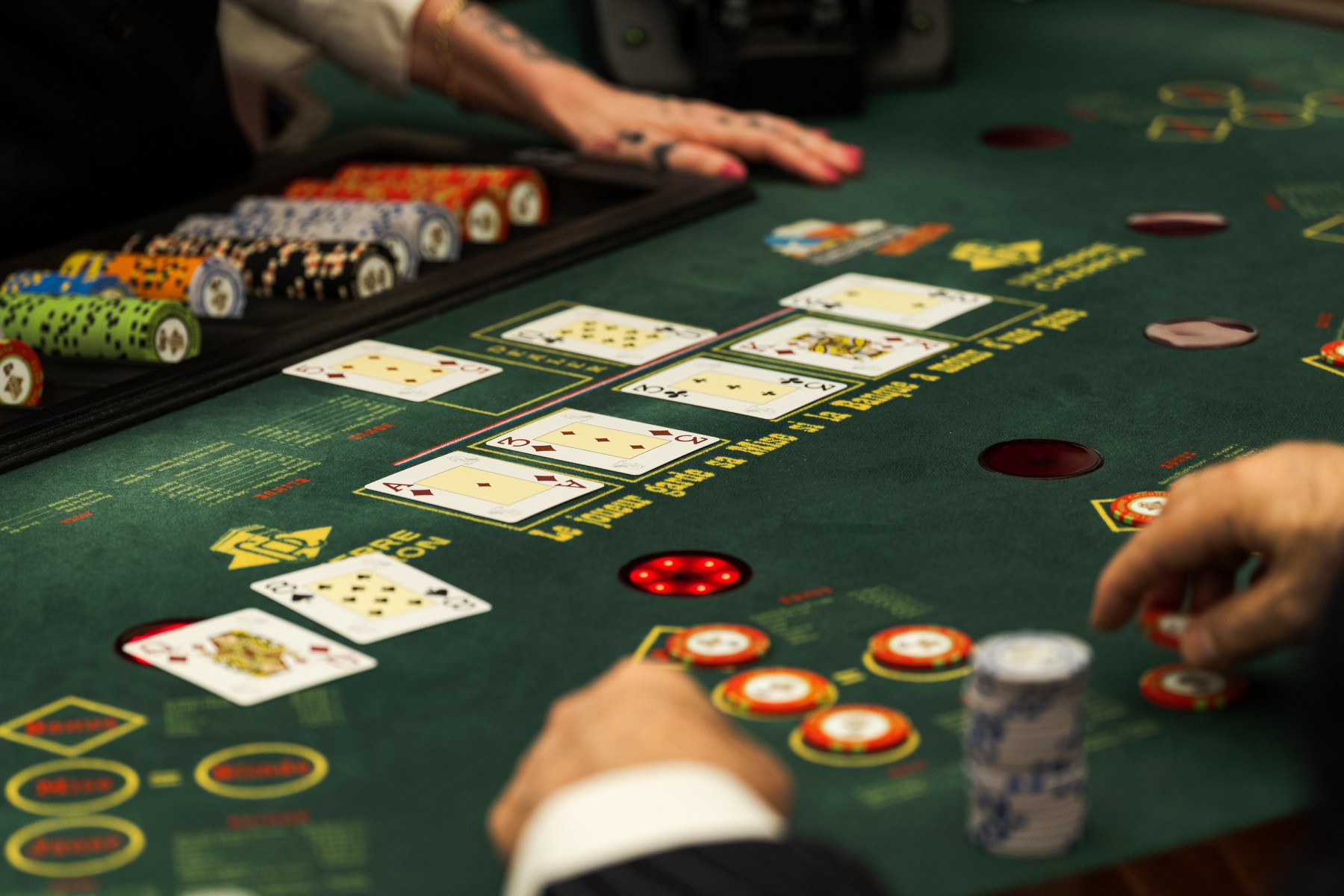
Additionally, the reinforcement of winning streaks can enhance the cognitive distortions surrounding gambling. When players experience a win, whether large or small, it creates a positive feedback loop in the brain, making them more likely to engage in similar behaviors in the future. This cycle can lead to continued gambling as individuals chase the thrill of what they perceive as a predictable outcome, further perpetuating their engagement with these activities despite the risks involved. The combination of cognitive biases and emotional highs can create a compelling cycle that is difficult for many players to break.
Emotional motivations behind gambling
The emotional aspects of gambling are intricate and varied, often serving as a coping mechanism for many individuals. For some, gambling provides an escape from the stressors of everyday life, offering an opportunity to immerse themselves in a different world where their concerns can temporarily fade away. The excitement and distraction of gambling can act as a form of catharsis, allowing players to experience a range of emotions from joy to exhilaration. In moments of heightened emotional stress or boredom, gambling can become a tempting outlet for relief.
Moreover, gambling can fulfill a social need to connect and bond with others. Whether at a physical gaming venue or through online platforms, players often find companionship in their shared experiences. Celebrating wins or commiserating over losses fosters a sense of community among gamblers, creating a network of social support. This emotional connection enhances the overall gambling experience, making it not just about financial gain but also about relationships and shared joy. The social aspect of gambling can be particularly appealing to those who may feel isolated or disconnected in other areas of their lives.
Furthermore, the desire for emotional regulation can spur individuals to seek gambling as a remedy for boredom or disappointment. Many gamblers report using gaming as a way to boost their mood or alleviate feelings of loneliness. The immediate gratification that comes with gambling, whether through the thrill of a win or the excitement of placing a bet, can provide a temporary emotional high that players may seek repeatedly. However, this reliance on gambling for emotional fulfillment can lead to detrimental consequences, including addiction and other mental health issues. Understanding these emotional motivations is crucial for developing healthier coping strategies and support systems.
The role of environment and design
The environment in which gambling occurs plays a significant role in shaping player experiences and motivations. Many casinos and gaming venues are meticulously designed to enhance excitement and prolong engagement. Bright lights, engaging sounds, and themed decorations create a stimulating atmosphere that encourages players to spend more time and money. This sensory overload can blur the lines between reality and the gaming experience, making it easier for players to lose track of time and their budgets. The carefully crafted environment can make gambling feel like an immersive experience, drawing players deeper into the allure of gaming.

Additionally, the layout of gaming venues is intentionally organized to maximize interaction and encourage movement. High-stakes rooms are often placed near popular attractions, drawing in players who may not have initially planned to gamble. Even the placement of cashiers and exits is carefully considered to keep players engaged longer and minimize their chances of leaving. This strategic design fosters an environment that capitalizes on emotional highs, further encouraging players to indulge in gaming. The physical space becomes a catalyst for continued play, often at the expense of the player’s financial well-being.
Another crucial aspect is the promotion of incentives and rewards programs that can entice players to return. Loyalty programs, bonuses, and free games create a sense of value that can reinforce gambling behavior. Players may feel compelled to participate more often to accumulate points or rewards, perpetuating their engagement with gambling. The combination of environmental design, sensory experiences, and promotional strategies significantly influences player psychology, compelling them to continue gambling even when they may not initially intend to. This blend of design and reward systems can create a cycle of continued play that is hard to escape.
Understanding player behavior through research
Research into gambling behavior has grown significantly, illuminating various psychological elements that drive players’ actions. Psychologists and behavioral scientists utilize diverse methodologies, including surveys, experiments, and longitudinal studies, to explore what motivates individuals to gamble. Understanding these behaviors is crucial for developing effective interventions and support systems for those who may struggle with gambling-related issues. The insights gained from research can lead to better understanding of the factors that contribute to both responsible and irresponsible gambling behaviors.
By examining patterns in player behavior, researchers have identified key elements such as the motivations for playing, the role of social influences, and the cognitive biases that can lead to harmful gambling practices. These insights can inform public health initiatives aimed at promoting responsible gambling and awareness of potential addiction risks. Education and prevention efforts can be tailored to address specific psychological drivers, ultimately fostering healthier gaming environments. The importance of research extends beyond individual players, impacting communities and policymakers as they address gambling-related challenges.
Additionally, the advancement of technology has opened new avenues for research, particularly concerning online gambling. Data analytics and tracking software provide insights into player habits and preferences, allowing for a more profound understanding of how digital platforms affect gambling behavior. This research not only aids in the development of targeted interventions but also contributes to broader discussions about the ethical responsibilities of gaming operators in creating safe spaces for players. The intersection of technology and psychology continues to evolve, offering new insights into the complex world of gambling.